
An array of resources
Our comprehensive suite of professional services caters to a diverse clientele, ranging from homeowners to commercial developers.
Jumbo education for juniors
On World Elephant Day, celebrated on 12 August, the spotlight was on Sri Lanka’s unique struggle with the human-elephant conflict (HEC). In the heart of the Anuradhapura District, a region steeped in history and culture, this conflict takes on a distinct significance, where centuries-old traditions clash with the survival of Sri Lanka’s most iconic species.
This year, a new chapter of hope was written as the Elephant Human Coexistence Foundation (EHCF) brought together over 50 children from four villages in the district for an unforgettable experience.
The initiative, spearheaded by EHCF co-founder and dedicated animal rights activist Panchali Panapitiya, marked a crucial step toward bridging the gap between local communities and the majestic elephants that roam their lands. The programme, meticulously planned since June, aimed to engage youth and children in a unique educational journey that would deepen their understanding of elephants and the importance of coexistence.
“Living alongside elephants isn’t easy. These communities face daily challenges that most of us can’t even imagine,” Panchali explained. “But we believe that if we can instil a sense of respect and awe for these creatures in the younger generation, we have a real chance at changing the way human-elephant conflict is managed in the future.”
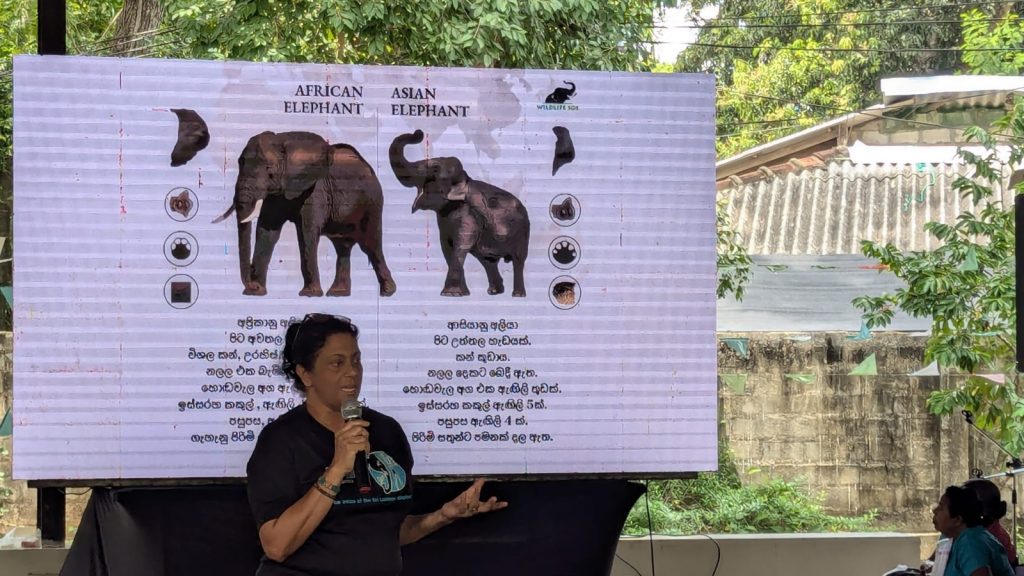
A day of learning and discovery
On Sunday, 11 August, the event brought together children, parents, and various stakeholders for a half-day of discussions and exploration. Most of the parents, predominantly farmers, face elephants daily – whether in the fields or near their homes.
The programme kicked off with a series of discussions involving key stakeholders in the HEC landscape, including farmers, teachers, hotel owners, safari jeep drivers, and environmentalists. Volunteers from the Rotaract Club of Matale lent a helping hand, assisting with logistics and ensuring the smooth running of the day’s events.
The dialogues provided a platform for open conversation, where local community members could share their experiences, concerns, and ideas. Panchali stressed the importance of these discussions: “It’s essential to create an environment where everyone can voice their perspectives. Often, the solutions we need are already within these communities – they just need to be heard and given the resources to act.”
Following the discussions, the children embarked on an eye-opening adventure: a safari through Minneriya National Park, one of Sri Lanka’s most famous elephant habitats. For many of these children and their parents, this was their first time visiting a national park, despite living so close to one.
“It’s ironic,” Panchali remarked, “that these children live near national parks but have never had the chance to actually visit one. They learn about elephants in their textbooks and see them near their homes, but watching them in their natural habitat is a completely different experience. It’s about transforming fear into respect and understanding.”
The safari allowed the children to witness firsthand the majestic beauty of elephants in the wild, a stark contrast to the often tense and dangerous encounters they witness near their homes. This experience was designed to help them see elephants not just as threats to their livelihoods, but as vital members of Sri Lanka’s ecosystem, with significant cultural and economic value.
A milestone for coexistence
This event marked a significant milestone in EHCF’s mission to foster harmony between humans and elephants. By engaging the younger generation in these educational activities, EHCF hopes to lay the groundwork for long-term coexistence strategies that benefit both the local communities and the elephant population.
Panchali explained the broader vision behind this initiative: “We’re not just focusing on today – we’re looking at the future. The children who participated in this programme are the ones who will be making decisions about land use, conservation, and agriculture in the coming decades. If we can give them the knowledge and empathy they need now, we’re investing in a future where human-elephant conflict is managed with compassion and intelligence.”
The event was made possible by the generosity of various sponsors, with a significant contribution from Ron Atapattu of elephantea, whose support was instrumental in bringing this vision to life. The collaboration between local stakeholders, volunteers, and donors exemplifies the power of collective action in tackling complex issues like HEC.
Moving forward
As the sun set over Minneriya National Park that day, the elephants left a lasting impression on the participants. The children and their parents returned to their villages with new perspectives, having witnessed the majesty of elephants in a way they had never experienced before. This initiative was more than just a day of fun and learning – it was a step toward a future where humans and elephants can coexist peacefully.
Panchali is optimistic about the road ahead. “This is just the beginning,” she said. “We’ve seen the impact that a single day can have on these children, and we’re determined to do more. Our goal is to expand this programme to reach more communities and create lasting change. We need to foster a sense of responsibility and stewardship in the next generation, not just for the elephants, but for the environment as a whole.”
The work of organisations like EHCF reminds us that the fight for conservation is as much about people as it is about wildlife. By empowering local communities, particularly the youth, to see the world through a lens of coexistence, we are taking vital steps toward a future where both elephants and humans can thrive.
For those interested in supporting future initiatives like this, Panchali encouraged them to get involved. “Every bit of help makes a difference,” she noted. “Whether it’s through donations, volunteering, or simply spreading the word, there’s always something we can do to make a positive impact.”
Together, we can build a future where elephants and humans live in harmony, ensuring the survival of one of Sri Lanka’s most treasured species for generations to come.
19 Aug 2024 | BY Venessa Anthony